VisiFlora Zinc 11 mg: What This Eye-Support Mineral Adds to the Formula
The supplied VisiFlora merchant material specifically lists zinc at 11 mg. This page explains why zinc is relevant to eye-nutrition formulas, why zinc form and total daily intake still matter, and why a stated zinc amount should not be treated as proof of finished-product clinical efficacy.
Save or follow this source

Explore Products
Quick access to every currently published product guide.
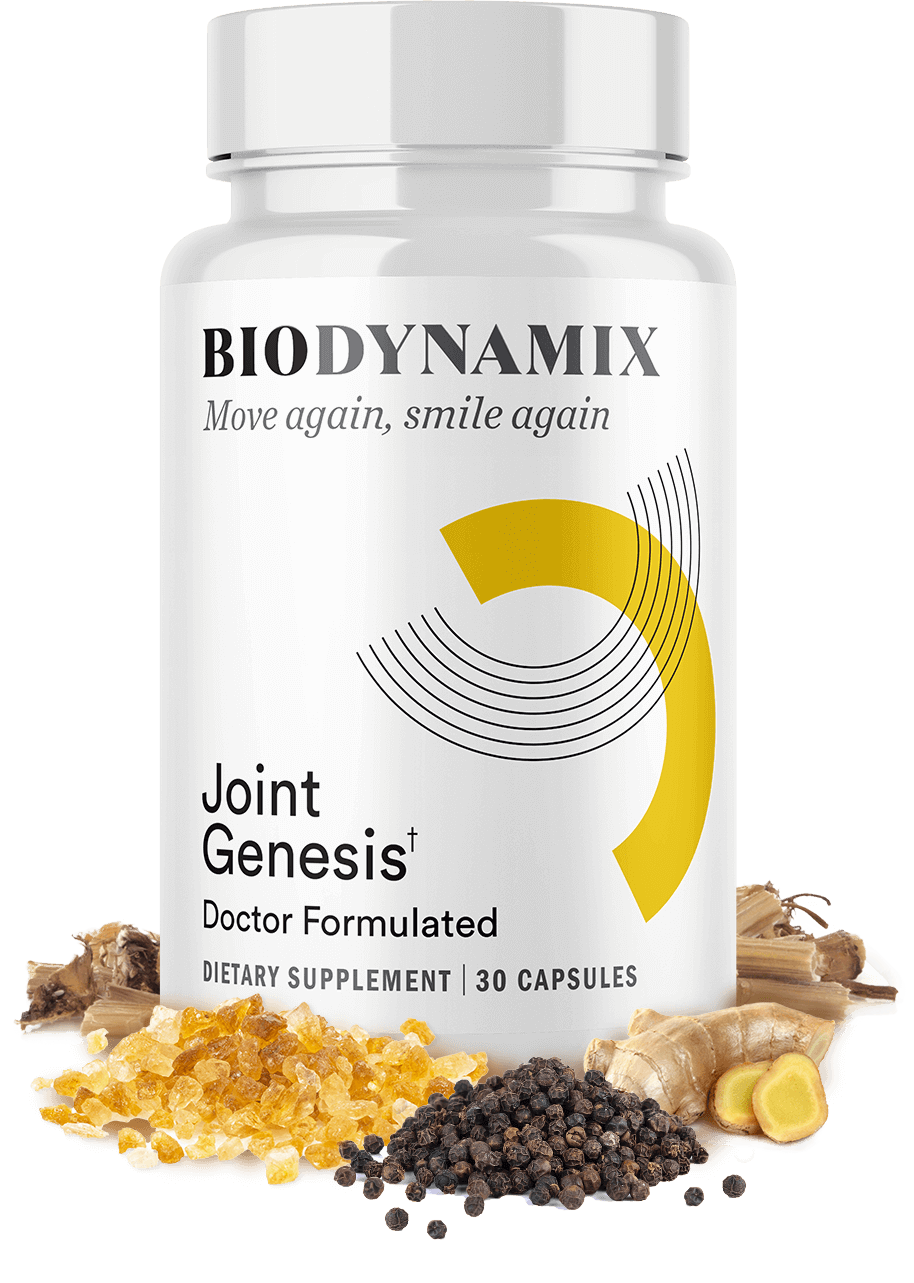 Joint supportJoint GenesisExplore product details and offer.Know More →
 Oral healthProDentimExplore product details and offer.Know More →
 Hearing supportAudifortExplore product details and offer.Know More →
 Metabolic supportGluco6Explore formula and current offer.Know More →
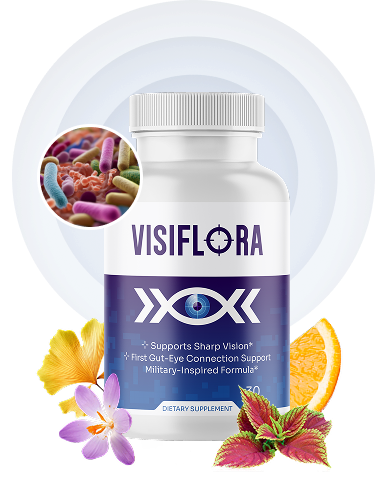
 Eye supportVisiFloraExplore formula, evidence and offer.Know More →
Why zinc is relevant to an eye-support formula
Zinc is an essential mineral involved in normal physiology, including processes relevant to vision. Its inclusion in an eye-support formula is therefore biologically plausible and consistent with the broader eye-nutrition positioning used for VisiFlora.
The supplied merchant presentation gives one unusually specific label-level detail: zinc is listed at 11 mg. This is the amount supported by the project materials and should not be extrapolated to other ingredients.
Check the current zinc label details
Use the current product label to verify that zinc remains listed at the merchant-stated amount and to identify the mineral form.
Review Current Formula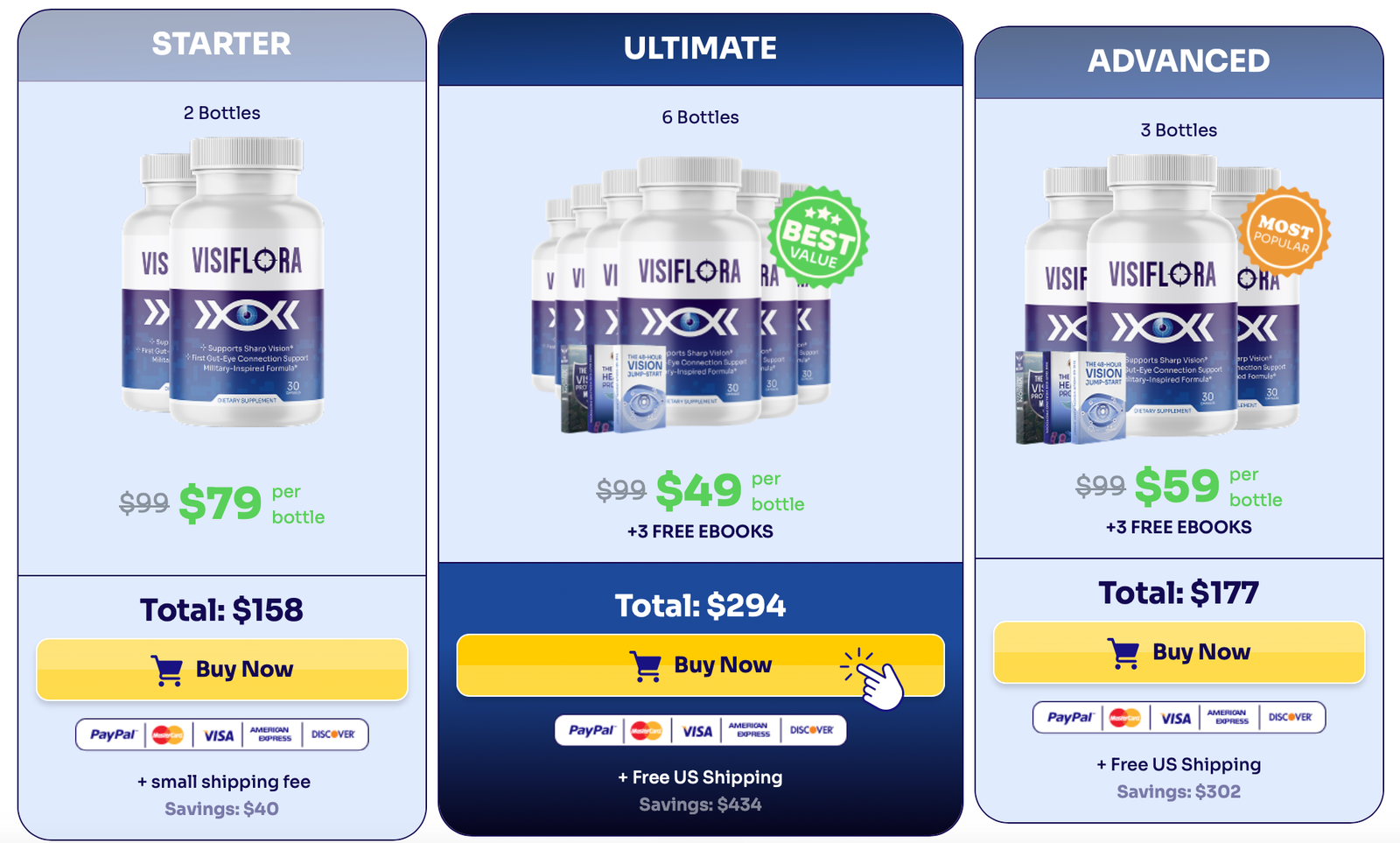
Why mineral form matters
Two supplements can list the same elemental mineral amount while using different chemical forms. That can matter for formulation, tolerance and how closely a product matches a study.
The supplied material used for this page does not establish the current zinc form. That means precise research matching should remain conservative until the bottle label or seller specification provides the form.
Why total zinc intake matters
VisiFlora should not be evaluated in isolation if a buyer already uses a multivitamin, eye-health formula or another supplement containing zinc. Total daily intake matters more than the amount from one product alone.
This is especially relevant because zinc is commonly included in several categories of supplements. A buyer can unintentionally duplicate intake across products even when each individual label appears reasonable.
Zinc inside the broader VisiFlora formula
VisiFlora also includes lutein, zeaxanthin, saffron, bilberry, beta carotene, astaxanthin, lycopene, vitamins, minerals and other botanicals. That makes zinc one part of a multi-ingredient architecture rather than a standalone intervention.
If the finished product were shown to produce a particular clinical outcome, that outcome could not automatically be assigned to zinc alone. Likewise, zinc-only research should not be presented as proof of the complete commercial blend.
Match zinc evidence to the actual product
Compare amount, mineral form, total daily intake and study context before treating zinc research as directly relevant to VisiFlora.
Check Current LabelEvidence boundaries for zinc in VisiFlora
A known amount is useful, but not sufficient
The merchant-stated 11 mg amount gives buyers more specificity than is available for many other ingredients in the supplied material. It still does not identify the zinc form or establish product efficacy.
Ingredient evidence is not finished-product evidence
Zinc research can explain why zinc belongs in an eye-nutrition discussion. It does not establish that the complete VisiFlora formula produces the same outcome as a study using zinc alone or in a different nutrient combination.
Study formulation matters
Some eye-nutrition research uses zinc alongside other defined nutrients. A different formula with different amounts or ingredient combinations should not automatically be treated as equivalent.
Outcome matching matters
Normal nutrient function, deficiency correction, visual performance and disease progression are different questions. Evidence for one should not be silently converted into evidence for another.
How this page differs from the broader ingredient pages
The Eye-Health Ingredients page owns the broader eye-focused subset. This Zinc page adds depth around the merchant-stated 11 mg amount, mineral form, total daily intake, overlap and research matching.
The Supplement Facts page remains the canonical owner for label structure and supported amounts across the formula.
Buyer checklist for VisiFlora zinc
- Confirm zinc is still listed on the current label.
- Confirm the current label still shows 11 mg.
- Check which zinc form is used.
- Compare total zinc intake across all supplements you use.
- Do not transfer zinc-only research directly to the full VisiFlora blend.
- Use the complete formula and health context when evaluating suitability.
Health and interpretation boundary
People taking prescription medicines, managing chronic conditions, preparing for surgery, or already using multivitamins or eye-health supplements should review the complete current label and seek individualized advice where appropriate.
Anyone with new, persistent or concerning visual symptoms should seek professional evaluation rather than relying on a mineral supplement to address an undiagnosed problem.
Final zinc check
Verify the current amount, mineral form and total supplement overlap before making a purchase decision.
Review Current VisiFlora Offer