VisiFlora Eye-Health Ingredients: Lutein, Zeaxanthin, Zinc, Bilberry, Saffron and More
This page focuses on the subset of VisiFlora ingredients most directly tied to the product’s eye-health positioning. It separates carotenoids, minerals and botanicals from the broader formula so buyers can understand which components are most relevant to eye-nutrition research and where product-level evidence still needs caution.
Save or follow this source



Explore Products
Quick access to every currently published product guide.
 Joint supportJoint GenesisExplore product details and offer.Know More →
 Oral healthProDentimExplore product details and offer.Know More →
 Hearing supportAudifortExplore product details and offer.Know More →
 Metabolic supportGluco6Explore formula and current offer.Know More →
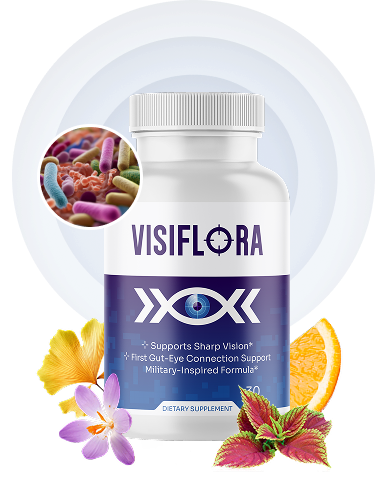
 Eye supportVisiFloraExplore formula, evidence and offer.Know More →
Core eye-positioned ingredients in the supplied VisiFlora material
The merchant material identifies several ingredients that sit most directly within the product’s eye-nutrition narrative. These ingredients should still be evaluated by amount, form and evidence match rather than by name alone.
Check the current eye-support ingredient list
Use the seller page and bottle label to verify the exact amounts and forms before comparing VisiFlora with eye-health research.
Review Current Formula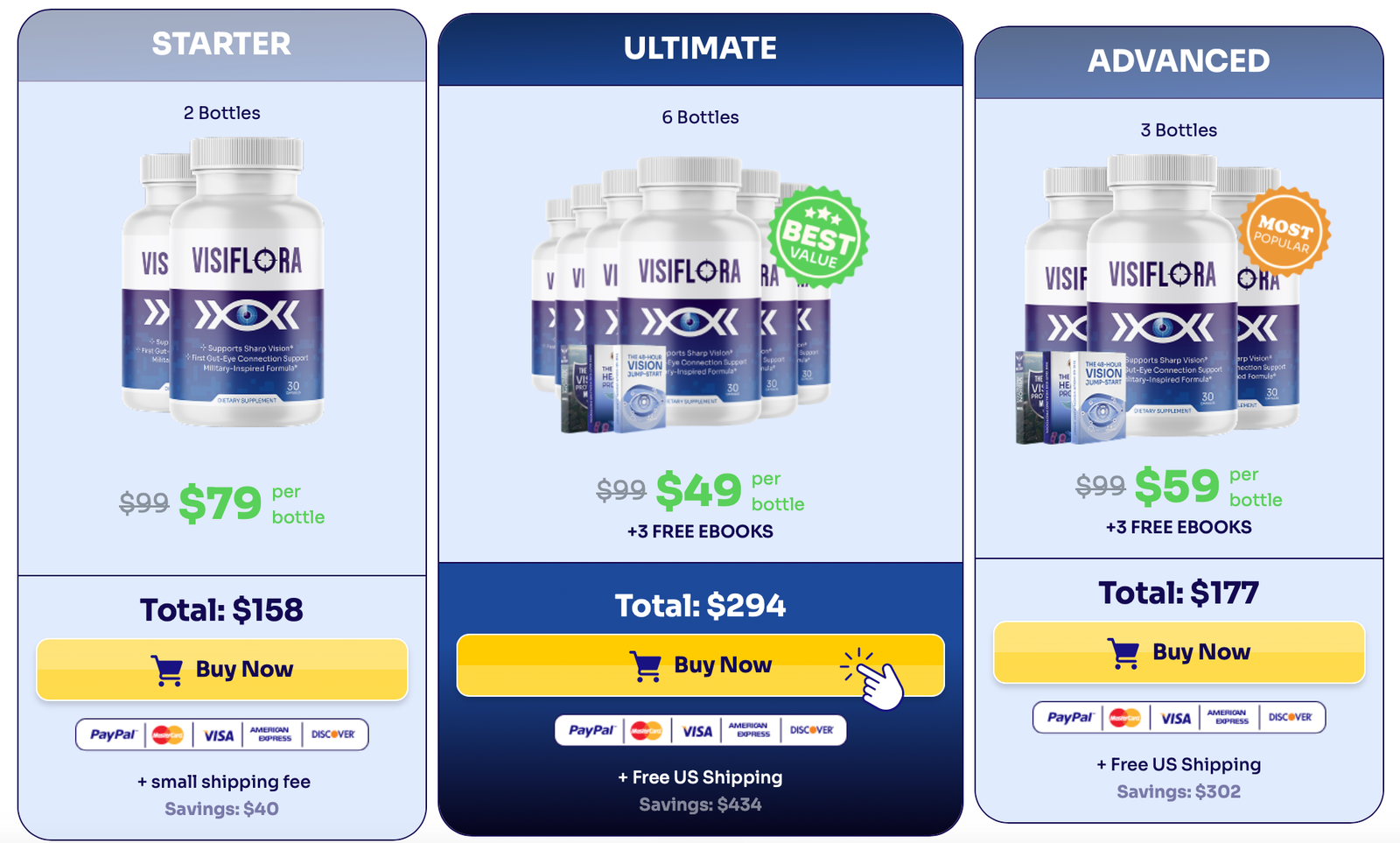
Lutein and zeaxanthin: the most clearly eye-specific pair
Among the ingredients listed in the supplied material, lutein and zeaxanthin are the pair most directly tied to macular pigment and eye-nutrition research. They are carotenoids that accumulate in the macular region of the retina.
That does not mean any product containing lutein and zeaxanthin can automatically borrow the results of every study involving those nutrients. Research interpretation still depends on dose, source, ratio, duration and population.

Zinc, beta carotene and supporting nutrients
Zinc
The supplied merchant presentation specifically lists zinc at 11 mg. Zinc is relevant to normal visual physiology and is one of the better-known minerals in eye-nutrition discussions. This page does not infer any broader therapeutic effect from its inclusion.
Beta carotene / vitamin A
Beta carotene is a vitamin A precursor. Vitamin A is essential to normal visual function, but the relevance of supplemental beta carotene depends on the amount, the person’s dietary intake and individual risk factors.
Other antioxidant-related nutrients
Vitamin C, vitamin E, selenium, lycopene and astaxanthin contribute to the broader antioxidant architecture. Their role should be interpreted as part of the complete formula rather than as evidence that the product treats oxidative-stress-related eye disease.
Bilberry and saffron: botanical eye-support ingredients
Bilberry and saffron are two botanical ingredients in the supplied formula that are commonly discussed in eye-support contexts. Their research relevance depends heavily on the specific extract, dose, standardization and outcome measured.
A label that only says “bilberry” or “saffron” does not provide enough information to assume equivalence with a study using a standardized extract. This is why the current Supplement Facts panel matters when comparing a commercial formula with published research.
Compare the formula with the current label
Ingredient names are only the first layer. Verify the label before applying any research conclusion to VisiFlora.
Check Current LabelEvidence boundaries for eye-health ingredients
Ingredient-level evidence is not finished-product evidence
A study on lutein, zeaxanthin, saffron or another component can help explain why that ingredient is included. It does not establish that the complete VisiFlora formula produces the same outcome.
Dose matching matters
If a clinical study used a defined amount and the current VisiFlora label does not disclose or match that amount, the study should not be treated as a direct product trial.
Population matching matters
Results in healthy adults, people with a specific eye condition or people with nutritional deficiencies may not apply equally to all buyers.
Outcome matching matters
Macular pigment, contrast sensitivity, visual acuity, dry-eye symptoms and disease progression are different outcomes. Evidence for one should not be silently converted into evidence for another.
How this page differs from the antioxidant-eye-support page
This page owns the subset of ingredients most directly tied to eye-health and macular positioning. The future `/antioxidant-eye-support/` page will focus more narrowly on antioxidant-related ingredients such as vitamins C and E, astaxanthin, lycopene, alpha lipoic acid, grape seed, rutin, quercetin and selenium.
Buyer checklist for eye-health ingredient evaluation
- Check the current amount of lutein and zeaxanthin rather than relying on ingredient names alone.
- Confirm zinc remains listed at the amount shown in the supplied merchant material.
- Look for standardized extract information for bilberry and saffron.
- Compare VisiFlora with any eye-health supplement you already use to avoid unnecessary overlap.
- Separate general antioxidant language from evidence tied to a specific visual outcome.
- Do not use a supplement as a substitute for evaluation of new or worsening vision symptoms.
Health and safety context
People taking prescription medicines, using other vitamin/mineral or botanical supplements, preparing for surgery, or managing chronic medical conditions should review the complete current label before use. The breadth of the formula makes overlap and interaction review more important than it would be for a single-ingredient product.
Anyone with persistent, sudden or concerning visual symptoms should seek appropriate professional evaluation rather than relying on supplement ingredients to address an undiagnosed problem.
Final eye-health ingredient check
Use the current VisiFlora label to verify exact amounts, forms and botanical specifications before making a purchase decision.
Review Current VisiFlora Offer