VisiFlora Ingredients: What Is in the Formula and How to Evaluate It
The supplied VisiFlora merchant presentation lists a broad formula spanning carotenoids, vitamins, minerals, botanical extracts and other antioxidant-related compounds. This page organizes those ingredients for buyers and explains what ingredient inclusion can tell you, what it cannot prove, and what should still be checked on the current bottle label.
Save or follow this source



Explore Products
Quick access to every currently published product guide.
 Joint supportJoint GenesisExplore product details and offer.Know More →
 Oral healthProDentimExplore product details and offer.Know More →
 Hearing supportAudifortExplore product details and offer.Know More →
 Metabolic supportGluco6Explore formula and current offer.Know More →
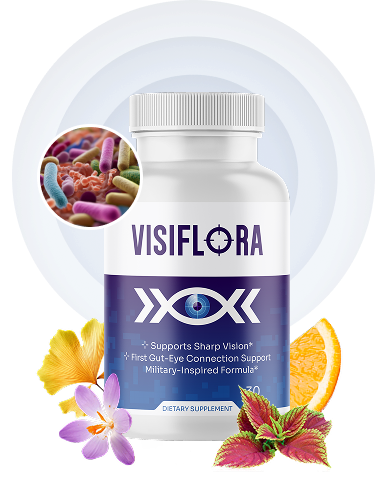
 Eye supportVisiFloraExplore formula, evidence and offer.Know More →
Ingredients listed in the supplied VisiFlora material
The merchant presentation identifies the following ingredients or ingredient groups. Where the supplied material does not provide a complete current Supplement Facts panel with amounts for every ingredient, this page does not invent those amounts.
Compare the current bottle label before buying
The seller page and received bottle should be checked against the ingredient overview above, especially if exact amounts or forms matter to your decision.
Check Current Formula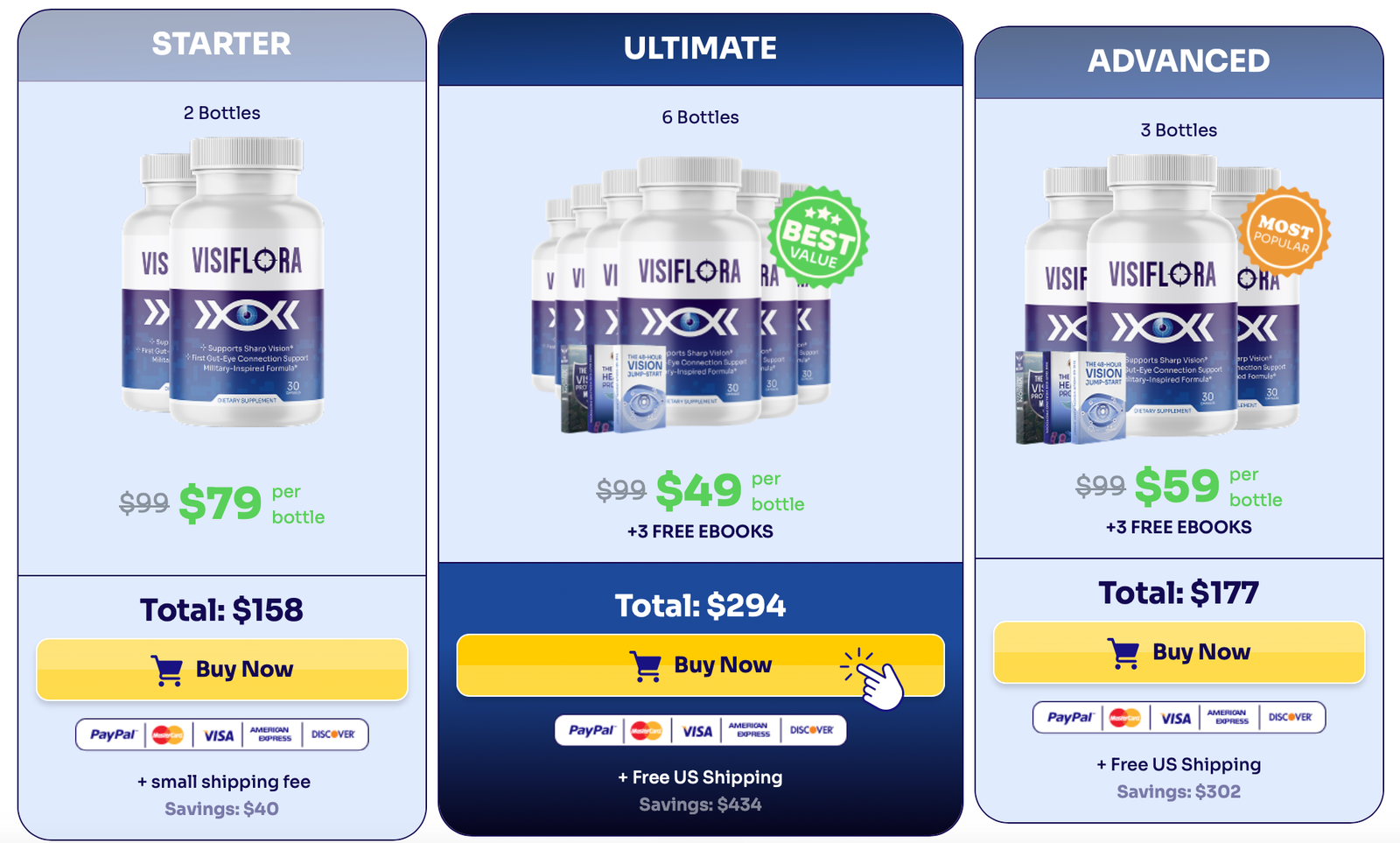
How the formula can be understood in functional groups
A long ingredient list becomes easier to evaluate when organized by function rather than treated as one undifferentiated blend.
Macular carotenoids and eye-related nutrients
Lutein, zeaxanthin, beta carotene, zinc, bilberry, lycopene and saffron are presented as part of the eye-focused side of the formula. Some of these ingredients have nutritional or research relevance to visual biology, but their presence does not establish that the complete VisiFlora product has the same evidence as a clinical trial using a specific dose or formulation.



Antioxidant-related compounds
Vitamin C, vitamin E, astaxanthin, lycopene, alpha lipoic acid, grape seed, rutin, quercetin and selenium form part of the formula’s antioxidant-related architecture. Buyers should still ask what amount is present and whether any evidence being cited matches the actual ingredient form and dose.
Botanical extracts
Bilberry, saffron, ginkgo biloba, coleus forskohlii, eyebright and grape seed are botanical ingredients. Botanical extracts can vary by source, concentration and standardization, which means the ingredient name alone does not reveal the full specification.
Minerals and supporting nutrients
Zinc, copper, selenium and chromium add a mineral component. Buyers taking other multivitamins or mineral supplements should compare total intake rather than evaluating VisiFlora in isolation.
What ingredient evidence can and cannot tell you
Ingredient research can help explain why a compound is present in a formula. It cannot automatically establish finished-product efficacy for the exact commercial blend.
Ingredient name is only the first layer
Meaningful evidence assessment also requires the ingredient form, amount, study population, outcome measured and duration of use. A commercial product may contain the same named ingredient but at a different dose or in a different combination.
Combination formulas create attribution problems
VisiFlora combines many components. Even if one ingredient has supportive research, that does not show which ingredient would drive an effect in the full blend or whether the combination has been tested as a finished product.
Merchant grouping is not clinical proof
Terms such as “vision defense” or “macular protection” help explain how the seller organizes the formula, but they should not be read as disease-treatment or prevention claims.
Research should stay close to the claim being made
If a page discusses lutein and zeaxanthin, the relevant evidence should relate directly to those carotenoids and the specific visual outcome being discussed. Broader gut-eye or antioxidant research should not be used to make a more specific claim than the evidence supports.
Use the ingredient list as a comparison tool
Compare VisiFlora with what you already take, check for overlapping nutrients and verify the live label before purchase.
View Current VisiFlora OfferBuyer questions to ask about the ingredient list
- Are exact ingredient amounts clearly disclosed on the current label?
- Are ingredient forms or standardized extracts identified?
- Do any vitamins or minerals overlap with supplements you already use?
- Are any botanicals relevant to medicines, surgery or medical conditions?
- Does the evidence being cited match the actual ingredient and dose?
- Is the formula being evaluated as a supplement rather than as a substitute for eye care?
Ingredients page vs. Supplement Facts page vs. Formula page
The separation is intentional. This page answers “What ingredients are listed and what broad role does each play?” The future Supplement Facts page will focus on label structure, amounts and serving details where supported. The future Formula page will focus on how the ingredients work together as a commercial formula architecture.
Final ingredient check
Review the current product label and seller page before relying on any ingredient list, amount or formula description.
Check Current Label Information