VisiFlora Saffron: What This Eye-Support Botanical Adds to the Formula
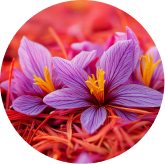
Saffron extract is listed in the supplied VisiFlora material as part of the broader eye-support formula. This page explains why saffron appears in eye-health supplements, why extract specification and dose matter, and why research on saffron should not be treated as direct proof for the finished VisiFlora product.
Save or follow this source
Explore Products
Quick access to every currently published product guide.
 Joint supportJoint GenesisExplore product details and offer.Know More →
 Oral healthProDentimExplore product details and offer.Know More →
 Hearing supportAudifortExplore product details and offer.Know More →
 Metabolic supportGluco6Explore formula and current offer.Know More →
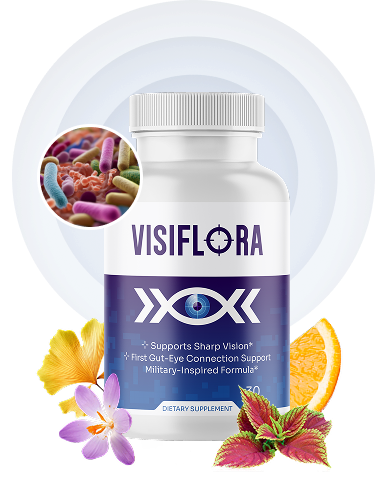
 Eye supportVisiFloraExplore formula, evidence and offer.Know More →
Why saffron is relevant to eye-support positioning
Saffron is a botanical ingredient with a growing research history in eye-related contexts. That helps explain why it appears in a formula such as VisiFlora. However, “saffron” is not a single uniform specification: commercial extracts can differ in source, concentration, standardization and dose.
The supplied VisiFlora material confirms saffron extract is part of the formula, but it does not provide enough current label detail here to establish the exact amount or extract specification. This page therefore keeps those points explicitly open for verification.
Check the current saffron label details
Use the live seller page and current bottle label to verify amount, extract type and any standardization information.
Review Current Formula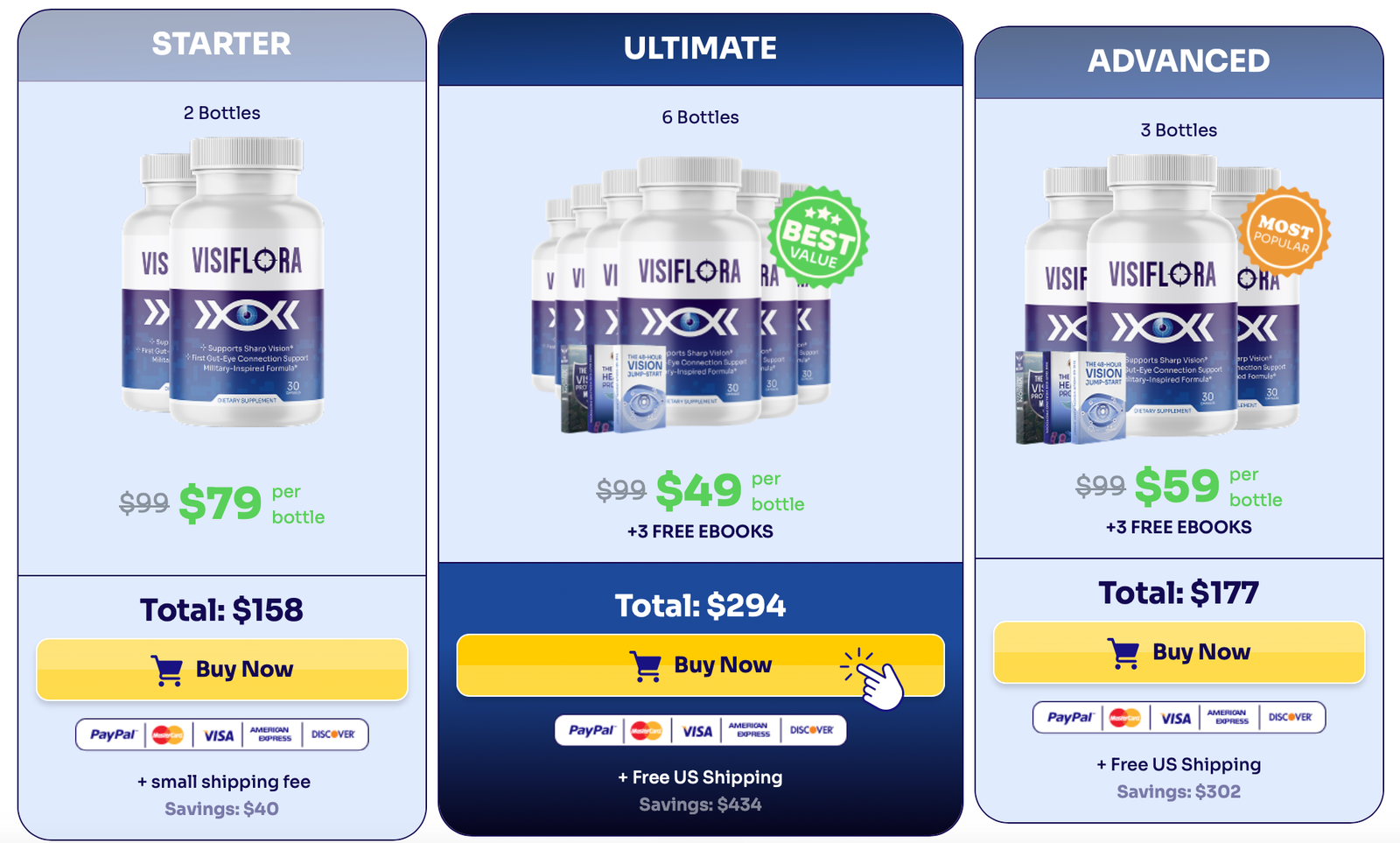
What saffron research can tell a buyer
Saffron research can help explain why the ingredient is considered relevant in some eye-support discussions. The useful questions are specific: which extract was studied, at what dose, for how long, in which population, and against which visual outcome.
Those questions matter because a study using a defined standardized extract cannot be treated as directly equivalent to every supplement that includes saffron somewhere in a multi-ingredient formula.
Outcome specificity matters
Visual acuity, contrast sensitivity, retinal function, symptom scores and disease progression are not interchangeable endpoints. Evidence for one outcome should not be silently converted into evidence for another.
Saffron inside a multi-ingredient formula
VisiFlora also includes lutein, zeaxanthin, zinc, bilberry, beta carotene, lycopene, astaxanthin, antioxidant vitamins, minerals and several additional botanicals. That means the product is not a saffron-only intervention.
If the finished product were shown to produce a particular outcome, the effect could not automatically be assigned to saffron alone. Likewise, evidence from saffron-only research should not be treated as proof for the whole blend.
Why extract standardization matters
Botanical extracts can differ substantially even when the plant name is the same. Standardization can indicate that a defined constituent or profile is present at a controlled level. Without that information, it is difficult to know how closely a commercial ingredient matches one used in research.
This is one reason the current Supplement Facts panel and any seller-provided ingredient specification should be checked before using published saffron research as a reference point.
Match saffron research to the actual product
Ingredient name alone is not enough. Compare the extract, dose, duration and outcome before treating a study as product-relevant.
Check Current LabelEvidence boundaries for saffron in VisiFlora
Ingredient evidence is not finished-product evidence
Research on saffron can support the biological rationale for including saffron in an eye-support formula. It does not establish that VisiFlora produces the same outcome.
Exact dose is essential
The supplied project materials do not establish a current saffron amount for this page. That prevents precise comparison with dose-specific studies.
Extract identity matters
A standardized extract used in research may differ from another commercial saffron preparation. The label and merchant specification should be checked before assuming equivalence.
Population and outcome still matter
Results in one age group or one diagnosed condition should not be generalized automatically to every buyer or every eye-health objective.
How this page differs from the broader ingredient pages
`/eye-health-ingredients/` owns the broader eye-focused subset of the formula. This `/saffron/` page adds depth on botanical specification, standardization, dose matching and outcome matching for saffron specifically.
`/ingredients/` remains the complete ingredient inventory, while `/supplement-facts/` owns label facts and missing amount/form boundaries.
Buyer checklist for VisiFlora saffron
- Confirm saffron is still listed on the current label.
- Check whether an exact saffron amount is disclosed.
- Look for extract or standardization information.
- Compare the commercial specification with any saffron study being used as a reference.
- Do not transfer saffron-only research directly to the full VisiFlora blend.
- Review overlap if another supplement you use already contains saffron or multiple botanicals.
Health and interpretation boundary
People taking prescription medicines, managing chronic conditions, preparing for surgery, or already using multiple botanical supplements should review the complete current label and seek individualized advice where appropriate.
Anyone with persistent, sudden or concerning visual symptoms should seek professional evaluation rather than relying on a botanical supplement to address an undiagnosed problem.
Final saffron check
Verify the current amount, extract specification and full formula context before making a purchase decision.
Review Current VisiFlora Offer