VisiFlora Antioxidant Eye Support: Vitamins C and E, Astaxanthin, Lycopene and More
This page focuses on the antioxidant-oriented side of the VisiFlora formula. It covers vitamins C and E, astaxanthin, lycopene, alpha lipoic acid, grape seed, rutin, quercetin and selenium, while separating broad oxidative-stress positioning from direct evidence for the finished product.
Save or follow this source


Explore Products
Quick access to every currently published product guide.
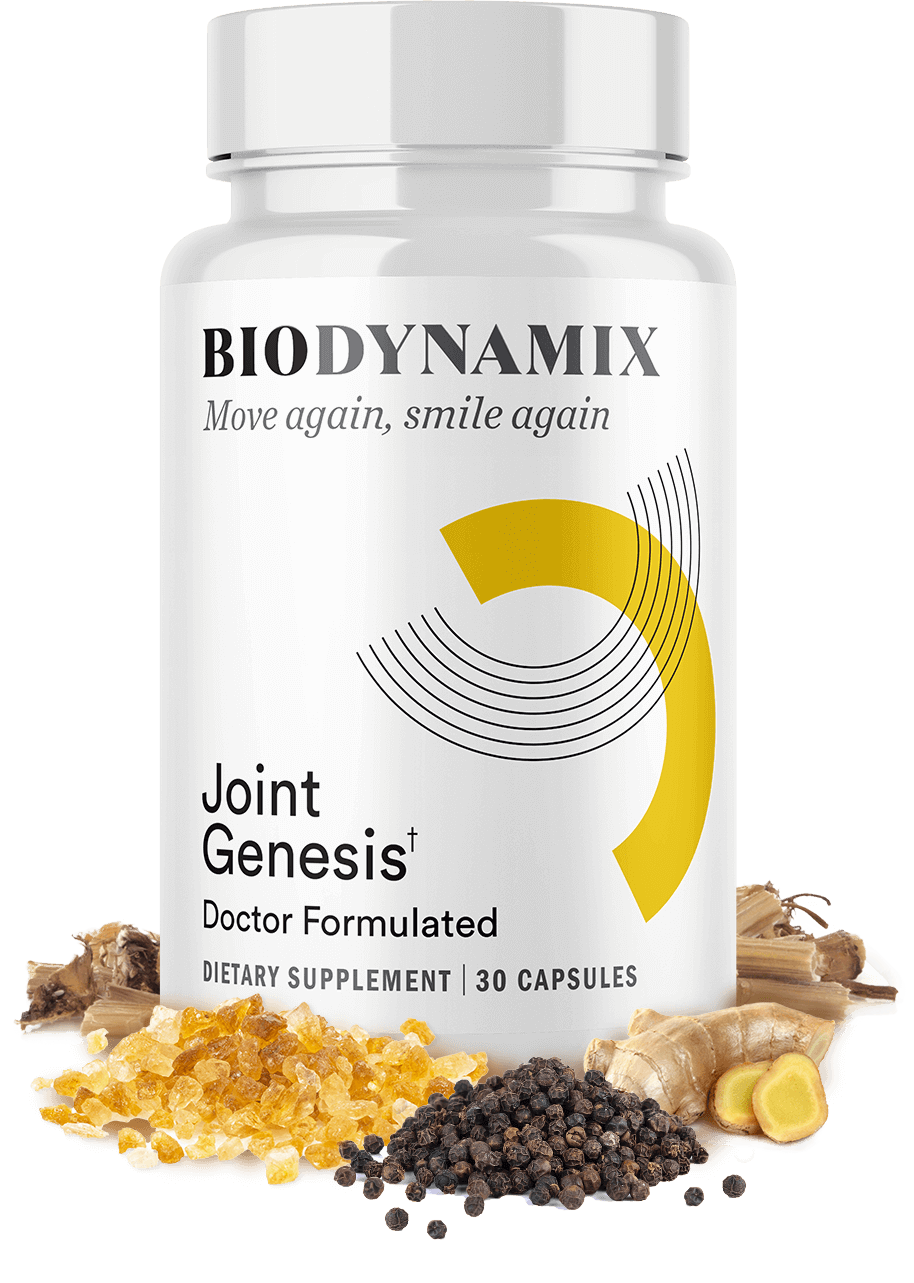 Joint supportJoint GenesisExplore product details and offer.Know More →
 Oral healthProDentimExplore product details and offer.Know More →
 Hearing supportAudifortExplore product details and offer.Know More →
 Metabolic supportGluco6Explore formula and current offer.Know More →
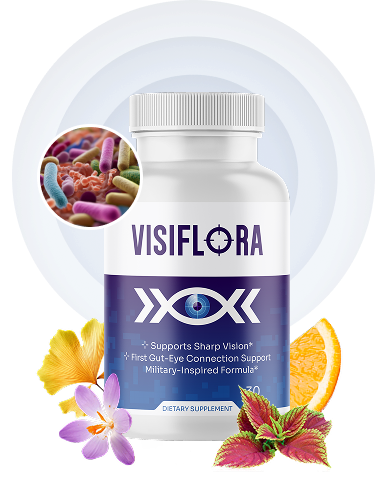
 Eye supportVisiFloraExplore formula, evidence and offer.Know More →
Antioxidant-oriented ingredients listed in the supplied VisiFlora material
The merchant material includes several nutrients and compounds commonly discussed in antioxidant contexts. Their inclusion helps explain the formula’s oxidative-stress positioning, but exact amounts and forms still matter when comparing the product with published research.
Check the current antioxidant formula
Verify the live ingredient list and label before applying any antioxidant research to VisiFlora.
Review Current Formula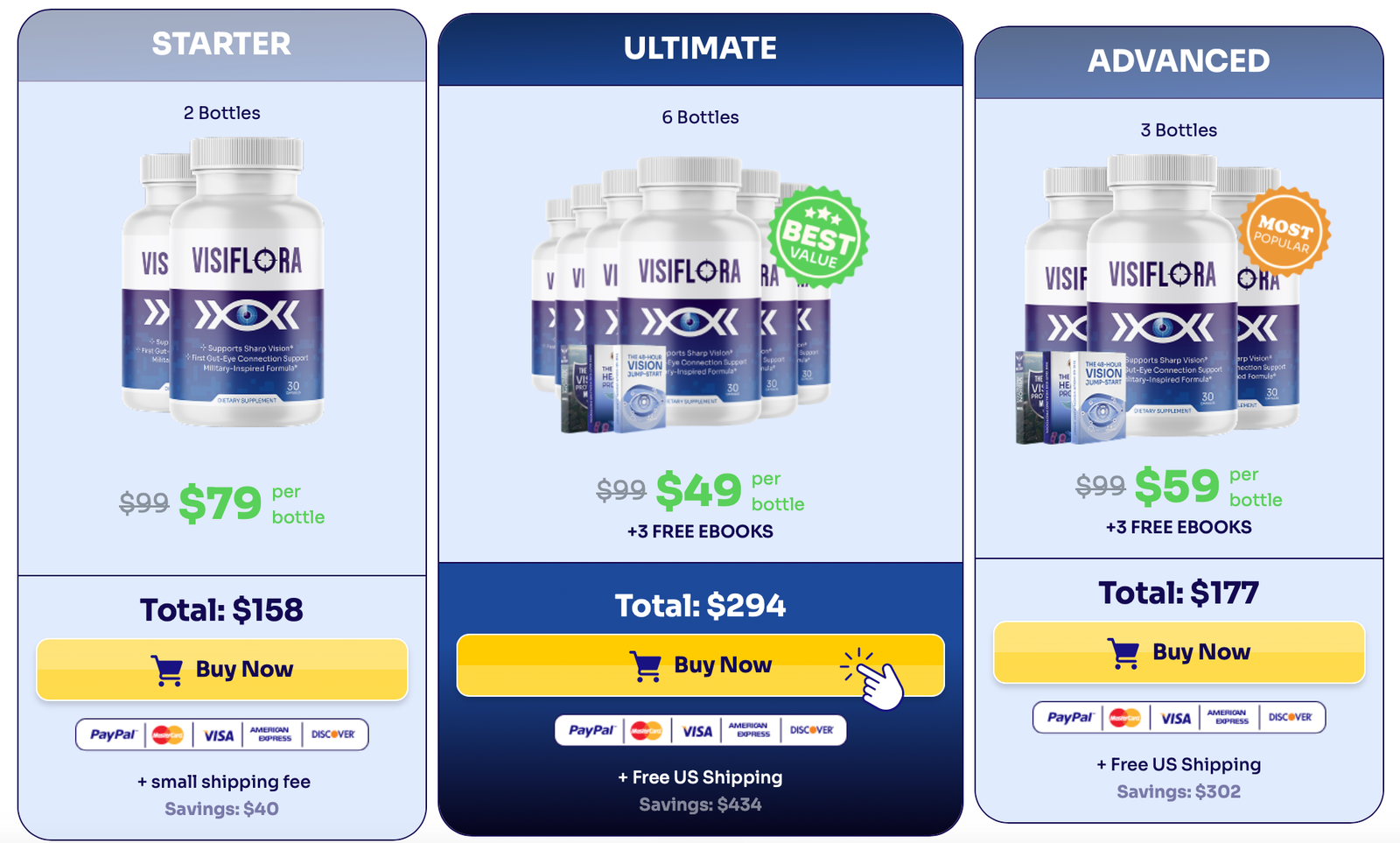
What oxidative-stress positioning means
Oxidative stress broadly describes an imbalance between reactive molecules and the systems that regulate or neutralize them. It is studied across many areas of biology, including aging and eye health.
For product evaluation, the important distinction is between a biologically relevant concept and a demonstrated clinical outcome. The fact that oxidative stress is involved in a disease process does not mean that any supplement with antioxidant ingredients will prevent, treat or reverse that disease.
Why antioxidant language can become too broad
“Antioxidant support” can be a reasonable description of formula architecture. It becomes misleading when it is turned into a specific disease claim without matching evidence for the ingredient dose, formulation and outcome.
Vitamin C and vitamin E
Vitamin C and vitamin E are among the most familiar dietary antioxidants. Their relevance in a multi-ingredient eye-support formula comes from their roles in normal nutrient biology and antioxidant systems.
However, this page does not treat the presence of vitamins C and E as proof that VisiFlora reproduces the results of any specific eye-health trial or nutrient combination. Direct comparison requires the current dose, form, study design and population.
Astaxanthin and lycopene
Astaxanthin and lycopene are carotenoids with antioxidant properties. They are distinct from lutein and zeaxanthin, which are more directly associated with macular pigment biology.
This distinction helps prevent cannibalization with the eye-health ingredient page. The eye-health page owns the macular and directly eye-positioned ingredient subset; this page owns the broader antioxidant role of carotenoids and related compounds.


Alpha lipoic acid, grape seed, rutin and quercetin
These compounds add another antioxidant-related layer to the formula. Grape seed is a botanical source of polyphenol-related compounds, while rutin and quercetin are flavonoid-related ingredients. Alpha lipoic acid is often discussed in broader antioxidant contexts.
The exact relevance of any of these ingredients depends on amount, form and the outcome being considered. A general antioxidant mechanism should not be treated as direct evidence for visual acuity, macular outcomes, glaucoma, dry-eye symptoms or another specific endpoint.
Match antioxidant research to the actual label
Ingredient names are not enough. Compare dose, form and the specific outcome studied before applying research to VisiFlora.
Check Current LabelEvidence boundaries for antioxidant eye support
Biological plausibility is not product efficacy
Oxidative stress can be relevant to eye biology, but that does not establish that a specific commercial antioxidant blend changes a clinical endpoint.
More antioxidants are not automatically better
A broader antioxidant formula may increase ingredient variety, but it also increases the need to understand dose, overlap and interactions. Formula breadth should not be treated as a proxy for effectiveness.
Ingredient evidence needs outcome matching
A study measuring an antioxidant biomarker is not the same as a study measuring vision, symptom change or disease progression. The endpoint matters.
Finished-product evidence remains a separate question
Even when several individual ingredients have research histories, the complete blend may not have been tested in a sufficiently matching finished-product trial.
How this page differs from the Eye-Health Ingredients page
This `/antioxidant-eye-support/` page owns the antioxidant-oriented layer: vitamins C and E, astaxanthin, lycopene, alpha lipoic acid, grape seed, rutin, quercetin and selenium. `/eye-health-ingredients/` owns the ingredients most directly tied to macular and eye-health positioning, including lutein, zeaxanthin, zinc, bilberry, saffron and beta carotene.
Buyer checklist for antioxidant formula evaluation
- Verify exact amounts of antioxidant vitamins and compounds on the current label.
- Compare VisiFlora with any multivitamin, eye-health or antioxidant supplement already being used.
- Do not assume that multiple antioxidant ingredients produce additive clinical benefits.
- Check whether a cited study measured the same outcome you care about.
- Separate antioxidant mechanisms from disease-treatment claims.
- Use the complete formula and medication context when considering safety or overlap.
Health and safety context
People using prescription medicines, preparing for surgery, managing chronic conditions, or taking multiple vitamin, mineral or botanical supplements should review the complete current label and seek individualized advice where appropriate.
New, persistent or worsening visual symptoms should be evaluated appropriately. An antioxidant supplement should not delay diagnosis, treatment or professional eye care.
Final antioxidant-formula check
Review the current label, ingredient amounts and overall supplement overlap before making a purchase decision.
Review Current VisiFlora Offer