VisiFlora Astaxanthin: What This Antioxidant Carotenoid Adds to the Formula
Astaxanthin is listed in the supplied VisiFlora material as part of the formula’s antioxidant and vision-defense positioning. This page explains what makes astaxanthin distinct from lutein and zeaxanthin, why source and dose matter, and why astaxanthin research should not be treated as direct proof for the finished VisiFlora product.
Save or follow this source


Explore Products
Quick access to every currently published product guide.
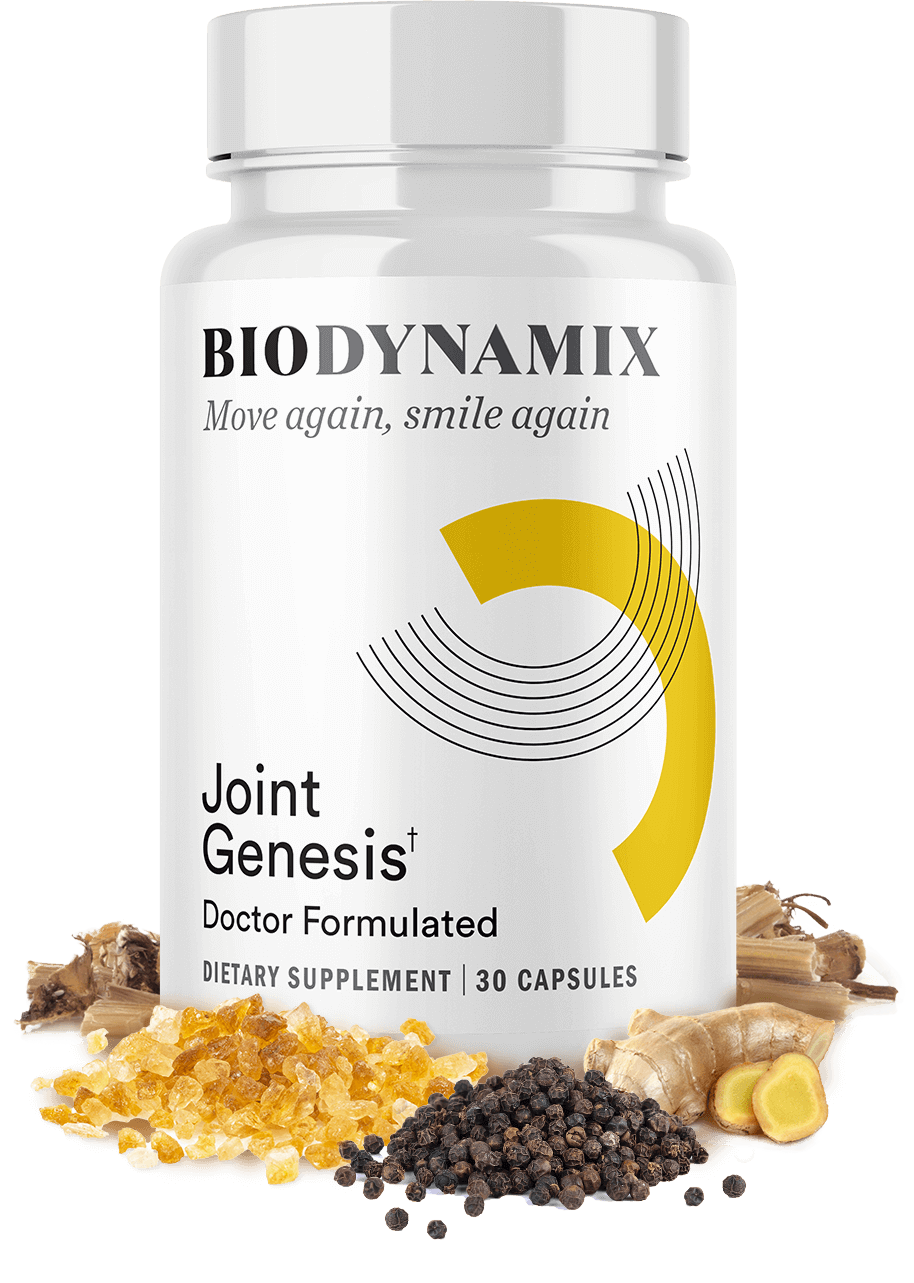 Joint supportJoint GenesisExplore product details and offer.Know More →
 Oral healthProDentimExplore product details and offer.Know More →
 Hearing supportAudifortExplore product details and offer.Know More →
 Metabolic supportGluco6Explore formula and current offer.Know More →
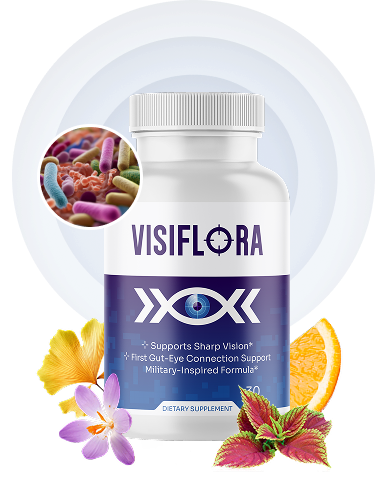
 Eye supportVisiFloraExplore formula, evidence and offer.Know More →
Why astaxanthin is relevant to the VisiFlora formula
Astaxanthin is a carotenoid with antioxidant properties. In the supplied merchant material, it appears within the product’s vision-defense and antioxidant architecture rather than as a standalone ingredient.
The supplied material confirms that astaxanthin is included, but it does not establish for this page the exact current amount, source or formulation. Those details should remain open until supported by the current label or seller specification.
Check the current astaxanthin details
Use the current label to verify amount, source and formulation details before comparing VisiFlora with astaxanthin research.
Review Current Formula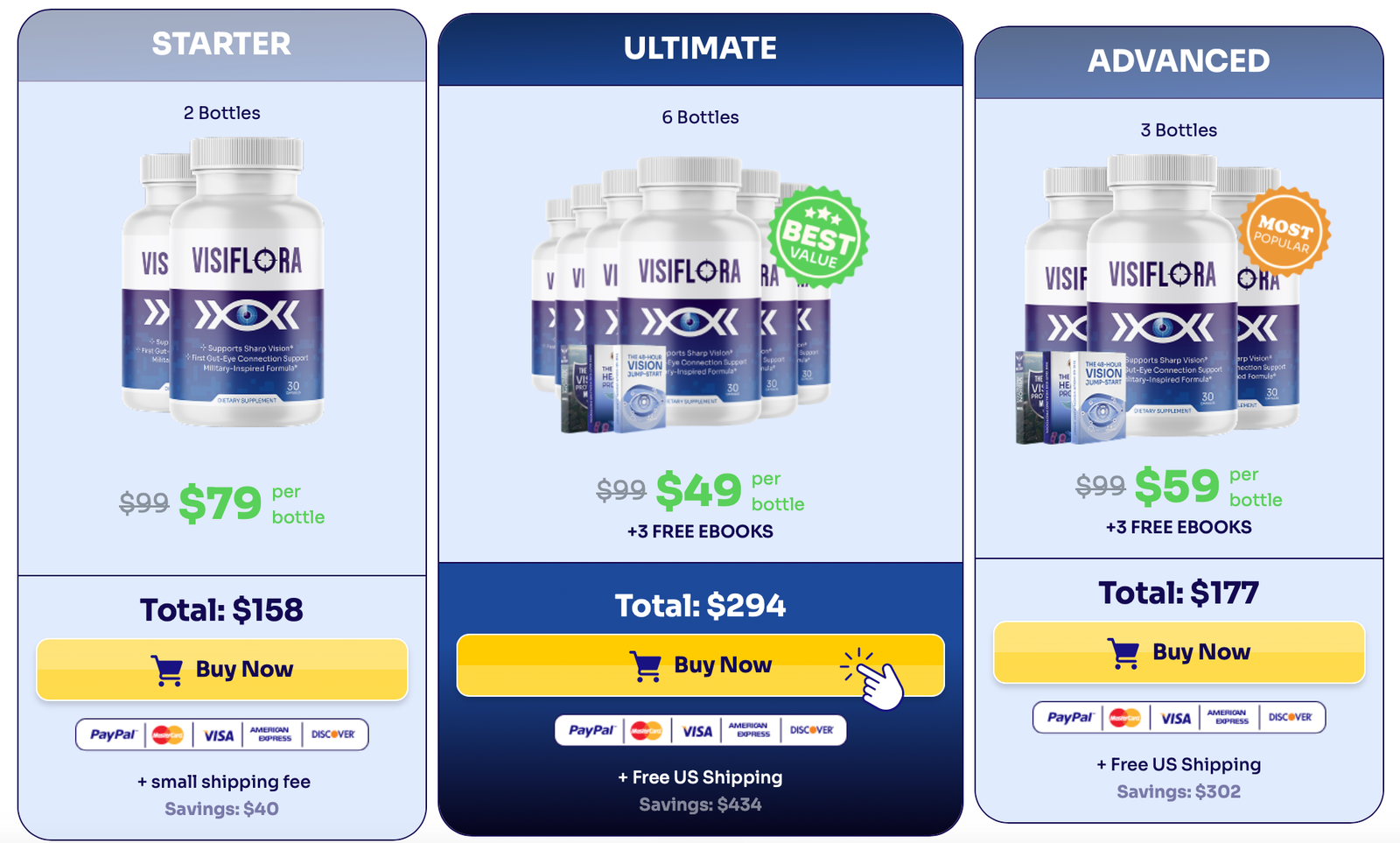
Astaxanthin is not the same as lutein and zeaxanthin
All three are carotenoids, but they should not be treated as interchangeable. Lutein and zeaxanthin are most directly associated with macular pigment biology. Astaxanthin is more naturally discussed in the broader antioxidant-carotenoid layer of the formula.
This distinction keeps the ingredient architecture clear. The lutein-zeaxanthin page owns the macular-carotenoid pair; this page owns astaxanthin as a distinct antioxidant carotenoid.
Why source, dose and formulation matter
Source
Astaxanthin used in supplements can come from different sources or production methods. If published research uses a specific source, that detail matters when deciding how closely it maps to a commercial product.
Dose
Ingredient research is usually dose-specific. Without a confirmed current amount in VisiFlora, a study cannot simply be applied to the product by name alone.
Formulation
Astaxanthin is fat-soluble, so formulation and the context in which it is consumed can matter to product design and evaluation. The supplied merchant FAQ states one capsule daily with food, but the current label remains the final source for directions.
Astaxanthin inside a multi-ingredient eye formula
VisiFlora combines astaxanthin with lutein, zeaxanthin, zinc, bilberry, saffron, lycopene, vitamins, minerals and other botanicals. Any finished-product effect would therefore reflect the complete formula rather than astaxanthin alone.
Likewise, research on astaxanthin by itself should not be presented as proof that the full VisiFlora blend produces the same outcome.
Match astaxanthin evidence to the actual label
Compare source, dose and outcome before treating a study as directly relevant to VisiFlora.
Check Current LabelEvidence boundaries for astaxanthin in VisiFlora
Ingredient evidence is not finished-product evidence
Research on astaxanthin can help explain the rationale for including it in an antioxidant-oriented eye formula. It does not establish the efficacy of the complete VisiFlora product.
Exact dose remains unresolved
The supplied materials used for this page do not establish the current astaxanthin amount. That prevents precise dose matching with published studies.
Outcome matching matters
Research may evaluate oxidative-stress markers, visual performance, fatigue-related measures or other endpoints. Those outcomes should not be treated as equivalent.
Combination effects require evidence
It should not be assumed that astaxanthin plus other antioxidants automatically produces additive or stronger clinical effects.
How this page differs from the broader antioxidant page
The Antioxidant Eye Support page owns the broader antioxidant layer, including vitamins C and E, astaxanthin, lycopene, alpha lipoic acid, grape seed, rutin, quercetin and selenium. This Astaxanthin page adds depth on source, dose, formulation and study matching for astaxanthin specifically.
Buyer checklist for VisiFlora astaxanthin
- Confirm astaxanthin is still listed on the current label.
- Check whether an exact amount is disclosed.
- Look for source or formulation information.
- Compare any study with the actual commercial dose and source.
- Do not transfer astaxanthin-only evidence directly to the full VisiFlora blend.
- Check overlap if another supplement already contains astaxanthin or multiple carotenoids.
Health and interpretation boundary
People taking prescription medicines, managing chronic conditions, preparing for surgery, or already taking multiple carotenoid or antioxidant supplements should review the current label and seek individualized advice where appropriate.
Anyone with new, persistent or concerning visual symptoms should seek professional evaluation rather than relying on a supplement to address an undiagnosed problem.
Final astaxanthin check
Verify the current amount, source and full-formula context before comparing VisiFlora with astaxanthin research.
Review Current VisiFlora Offer