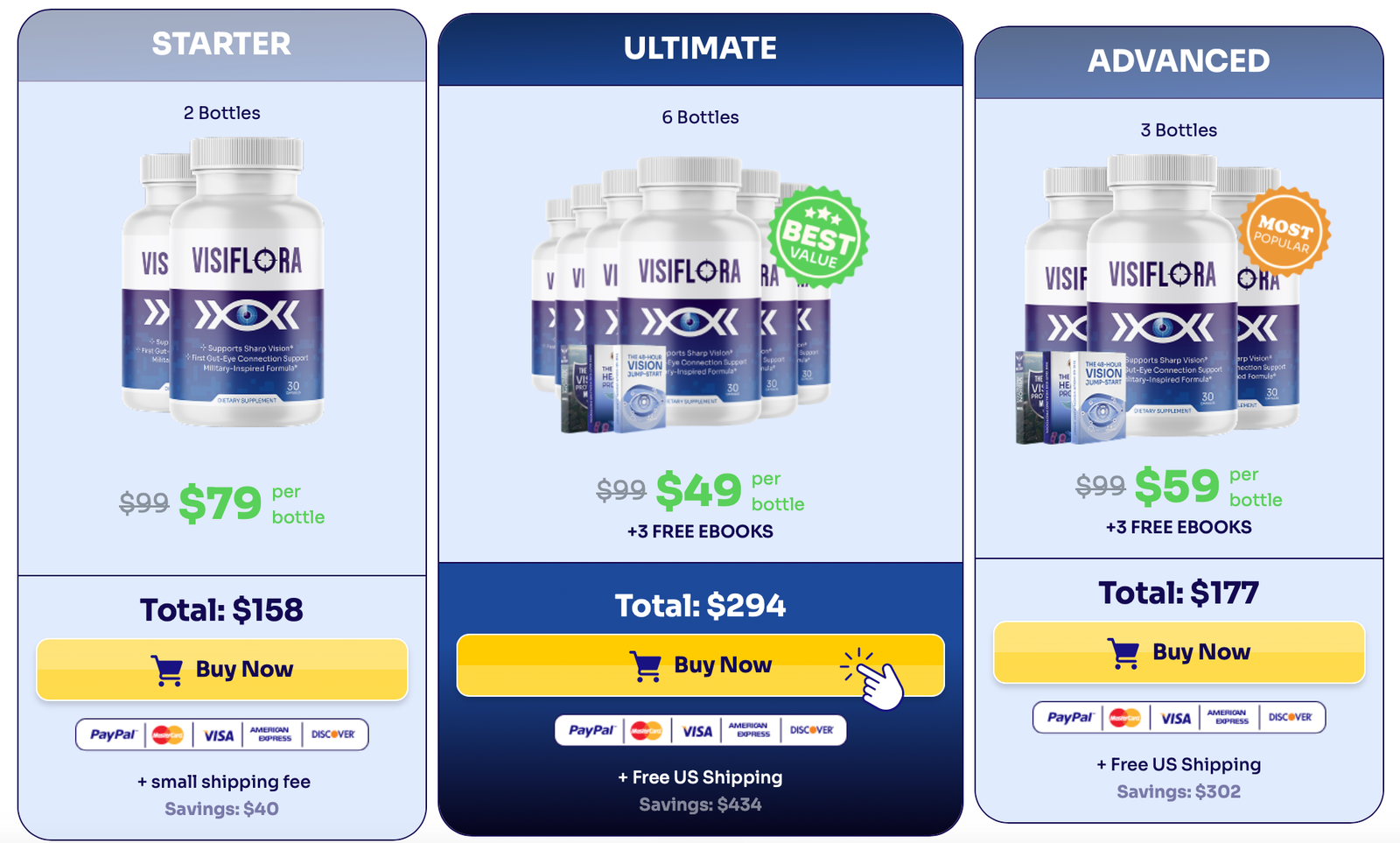
VisiFlora Authenticity: How to Check the Product, Label and Package You Receive
This page focuses on the physical-product side of authenticity: matching the bottle and package you receive with the product you intended to order, checking label consistency, and documenting mismatches without making unsupported claims about third-party sellers.
Save or follow this source
Explore Products
Quick access to every currently published product guide.
 Joint supportJoint GenesisExplore product details and offer.Know More →
 Oral healthProDentimExplore product details and offer.Know More →
 Hearing supportAudifortExplore product details and offer.Know More →
 Metabolic supportGluco6Explore formula and current offer.Know More →
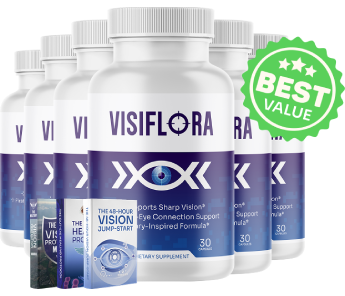
 Eye supportVisiFloraExplore formula, evidence and offer.Know More →
Authenticity checks after delivery
- Confirm the product name matches VisiFlora.
- Compare bottle count with your order confirmation.
- Check the label and serving directions against the current seller information.
- Inspect the packaging for obvious damage or tampering.
- Compare lot/expiry information if present on the received product.
- Keep photos if something materially differs from the order.
Anchor authenticity checks to the seller route used here
Use the current seller pathway as the reference point for the product and offer discussed by TGD.
Open Current Seller RouteProduct authenticity vs. seller-route authenticity
/official-website/ asks whether you are using the seller route discussed by TheGlobalDeals. This page asks whether the physical product and package you receive match the transaction and current product identity.
Seller-route check
Domain, checkout, billing, package structure and current seller terms.
Physical-product check
Bottle, label, serving directions, quantity, package condition and product identifiers.
What to do if something does not match
- Do not discard the packaging immediately.
- Photograph the bottle, label and shipping package.
- Compare against the order confirmation.
- Contact the seller support route associated with the transaction.
- Use documented facts rather than assumptions when describing the mismatch.
Authenticity page vs. Official Website page
Build an authenticity record from observable facts
The strongest authenticity check is a documented comparison, not a visual impression. Save the order confirmation, photograph the bottle and outer packaging when it arrives, and compare the product name, bottle quantity, label layout, serving directions and any visible lot or expiry information with the seller information available at the time of purchase.
Packaging changes do not automatically mean a problem
Commercial packaging can change. A redesigned label, revised artwork or different placement of information can be legitimate. The appropriate response to a material difference is to compare more than one signal and, if necessary, ask the seller to confirm the current packaging.
What counts as a material mismatch?
Examples can include a different product name, a bottle count that does not match the order, serving directions inconsistent with the seller information, a damaged or unsealed package, or identifiers that appear altered. None of these observations should be converted automatically into a counterfeit allegation. They are reasons to stop, document and verify.
Why source records matter
If you purchased through the seller route discussed by TGD, your order confirmation and seller support path provide a reference chain. If you purchased elsewhere, keep the marketplace or reseller details as well so you know which party is responsible for fulfilment and returns.
Consistency across multiple signals is more useful than a single visual cue
A genuine-looking logo or familiar bottle color is not enough by itself. A stronger verification combines transaction records, seller identity, packaging, label details, serving directions and the quantity delivered. The more of these signals line up with the seller information and order confirmation, the easier it is to understand what you received.
If only one cosmetic detail differs while the product identity, label facts and transaction records remain consistent, verify before assuming a serious problem. If several material details differ at the same time, document them carefully and contact the seller associated with the order.
Keep the packaging until verification is complete
Do not discard the shipping box, bottle, label or inserts immediately if something appears inconsistent. Those materials may contain order, fulfilment, lot or contact information that helps the seller investigate. Once the product has been verified and any issue resolved, you can decide what records still need to be retained.
Check the current VisiFlora seller terms
Use the live seller page as the final source for commercial terms before completing any transaction.
Check Current VisiFlora Offer