VisiFlora Lutein & Zeaxanthin: What These Macular Carotenoids Add to the Formula
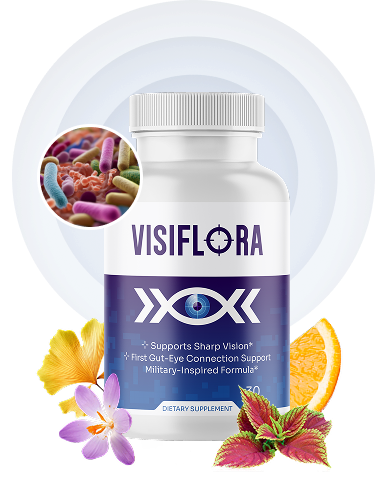
Lutein and zeaxanthin are the most clearly macular-focused carotenoids listed in the supplied VisiFlora material. This page explains why they are paired, what macular-pigment relevance means, why dose and ratio matter, and why ingredient-level research should not be treated as finished-product proof.
Save or follow this source



Explore Products
Quick access to every currently published product guide.
 Joint supportJoint GenesisExplore product details and offer.Know More →
 Oral healthProDentimExplore product details and offer.Know More →
 Hearing supportAudifortExplore product details and offer.Know More →
 Metabolic supportGluco6Explore formula and current offer.Know More →
 Eye supportVisiFloraExplore formula, evidence and offer.Know More →
Why lutein and zeaxanthin are treated as a pair
Lutein and zeaxanthin are carotenoids that accumulate in the macular region of the retina. That makes them directly relevant to eye-nutrition positioning, unlike many broader antioxidant ingredients that are present throughout the body.
The supplied merchant material lists both compounds as part of the VisiFlora formula. It does not provide enough current label detail here to confirm the exact amount or ratio of lutein to zeaxanthin, so this page does not invent those values.
Check the current lutein + zeaxanthin details
Use the live seller page and product label to verify whether amounts, forms or sourcing details are disclosed.
Review Current Label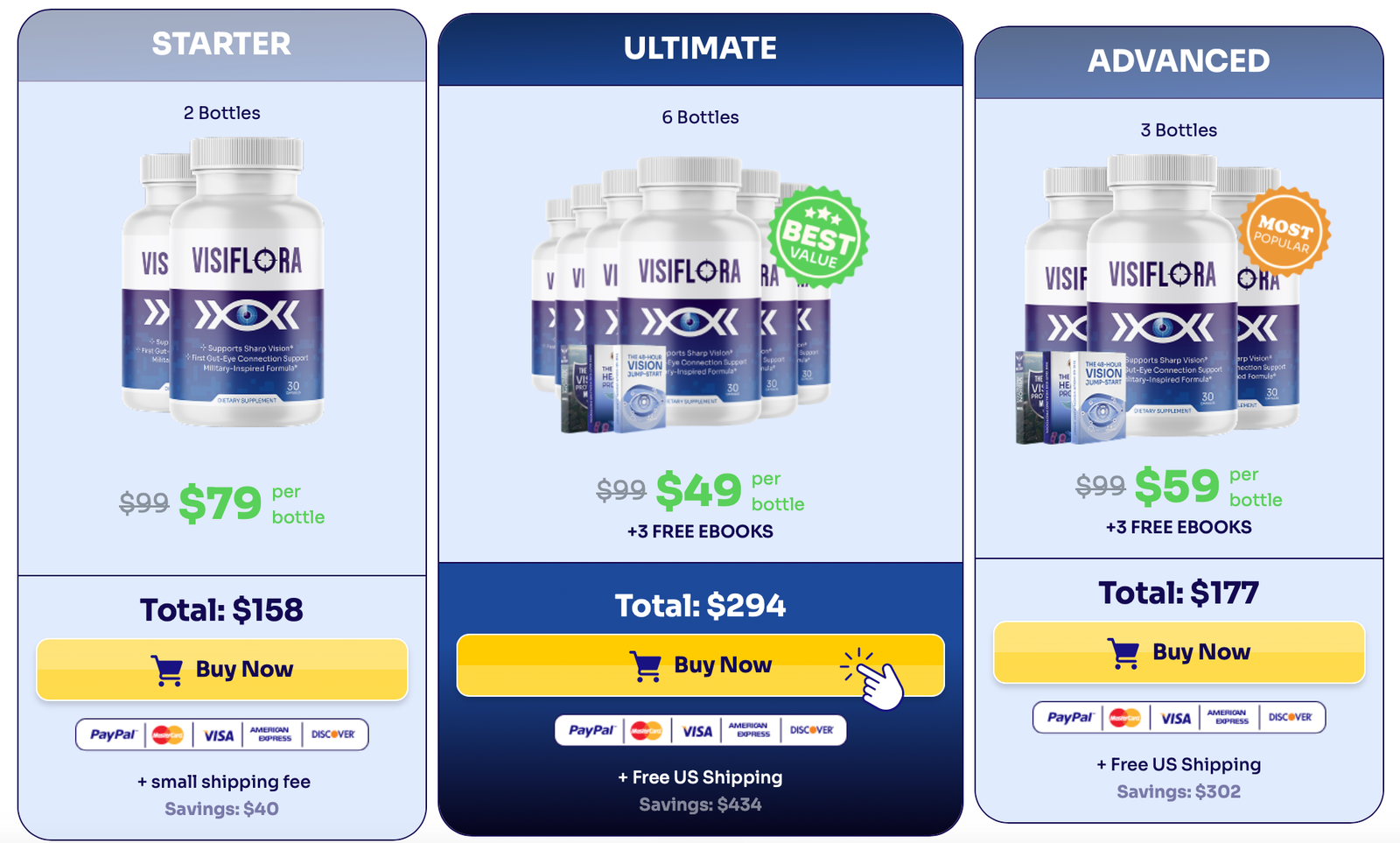
What macular-pigment relevance means
Lutein and zeaxanthin are often discussed because they are present in macular pigment. That biological fact helps explain why they appear in eye-support formulas.
However, the presence of these carotenoids in the retina does not by itself tell a buyer how much of each is needed in a supplement, whether a specific product changes macular pigment, or whether a clinically meaningful visual outcome will occur. Those questions require dose-specific and product-relevant evidence.

Why dose, form and ratio matter
Dose
Ingredient research is usually tied to a defined amount. If a product label does not disclose a comparable amount, the study cannot simply be applied to the product by ingredient name alone.
Form and source
The supplied merchant material associates lutein with marigold. Current label wording should still be checked because source and formulation details can matter when comparing against research.
Ratio
Some research evaluates lutein and zeaxanthin together in defined proportions. A commercial formula with an unknown or different ratio should not automatically be treated as equivalent.
Duration
Carotenoid research may use weeks or months of supplementation. A buyer should not infer a timeline for VisiFlora unless the relevant study, dose and product details actually match.
Lutein + zeaxanthin within the broader VisiFlora formula
VisiFlora is not a lutein-and-zeaxanthin-only product. The supplied formula also lists zinc, beta carotene, bilberry, saffron, astaxanthin, lycopene, antioxidant vitamins, minerals and multiple botanicals.
That broader architecture matters because any finished-product outcome would reflect the complete formulation, not only these two carotenoids. It also means buyers should compare overlap if they already use another eye-health supplement containing lutein or zeaxanthin.
Compare the carotenoid pair with the complete formula
Use the current label to see how lutein and zeaxanthin sit within the broader VisiFlora ingredient architecture.
Check Current FormulaEvidence boundaries for lutein and zeaxanthin
Ingredient evidence is not a product trial
Research involving lutein and zeaxanthin can explain why the pair is relevant to eye nutrition. It does not establish that the full VisiFlora product produces the same outcome.
Outcome matching matters
Macular pigment density, contrast sensitivity, visual acuity and disease progression are different endpoints. A positive result for one should not be presented as evidence for another.
Population matching matters
Findings in healthy adults, older adults or people with a diagnosed eye condition may not apply equally to every buyer.
Current label matching matters
The exact amount and form in the commercial product need to be known before a study can be treated as closely relevant.
How this page differs from Eye-Health Ingredients
`/eye-health-ingredients/` owns the complete eye-focused subset of the formula, including lutein, zeaxanthin, zinc, bilberry, saffron, lycopene and beta carotene. This page goes deeper only into the lutein-zeaxanthin pair, its macular relevance, and the dose/form/ratio questions needed for evidence matching.
Buyer checklist for lutein + zeaxanthin
- Confirm the current amount of lutein.
- Confirm the current amount of zeaxanthin.
- Check whether the label gives a clear source or form.
- Compare the ratio with any study you are using as a reference.
- Check for overlap with another eye-health supplement.
- Do not treat macular-pigment relevance as evidence that the finished product treats an eye disease.
Health and interpretation boundary
People using prescription medicines, managing chronic conditions, preparing for surgery, or taking multiple supplements should review the complete current label. Anyone with persistent, sudden or concerning visual symptoms should seek appropriate professional evaluation rather than relying on supplement ingredients to address an undiagnosed problem.
Final lutein + zeaxanthin check
Verify the current amounts and forms before comparing VisiFlora with published carotenoid research.
Review Current VisiFlora Offer